Video credit: Next Pick on YouTube
Rainy days have a funny way of exposing bad footwear. One minute you are confidently walking down the street, and the next you are wondering why your socks feel like they have joined a swimming competition.
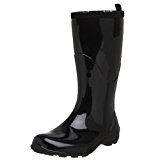
That is exactly where a good pair of rain boots earns its keep. The Kamik Women’s Heidi Rain Boot has long attracted attention because it combines a classic tall-boot look with waterproof construction, everyday comfort and a relatively simple design.
But there is an important update for shoppers today: the current Kamik listing is for the Heidi 2, an updated version of the familiar Heidi design. Kamik currently describes it as waterproof, vegan-friendly and recyclable, with a removable EVA footbed and synthetic rubber construction.
So, is the Kamik Heidi still a smart choice for rainy commutes, muddy sidewalks and everyday outdoor use? Let’s take a closer look.
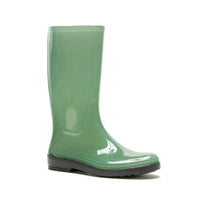
Kamik Women’s Heidi Rain Boot at a Glance
The Heidi is designed around a straightforward idea: keep your feet dry without making you look as though you are preparing to cross a swamp.
The older Heidi specifications highlighted a tall shaft, approximately 1-inch heel, waterproof construction and a removable cushioned footbed. The newer Heidi 2 retains the same basic everyday-rain-boot philosophy while updating the construction and specifications.
- Boot type: Tall women’s rain boot
- Water protection: Waterproof
- Upper: Phthalate-free synthetic rubber
- Footbed: Removable CushyStep Everyday EVA foam
- Outsole: Lightweight synthetic rubber
- Height: Approximately 30 cm
- Size range: Women’s US sizes 5–11 on the current Canadian listing
- Construction: Made in Canada using domestic and imported materials
- Animal-free materials: Vegan-friendly
For anyone still deciding between waterproof and merely water-resistant footwear, our guide to water-resistant vs. waterproof shoes explains why the distinction matters when the rain really starts coming down.
What Makes the Kamik Heidi Stand Out?
At first glance, the Heidi looks almost refreshingly uncomplicated. There are no complicated lacing systems, giant buckles or futuristic panels. It is essentially a classic tall rain boot designed to be pulled on and forgotten about until the clouds clear.
That simplicity is actually one of its biggest strengths.
A rain boot should do its main job well. It needs to keep water outside, provide enough traction for wet surfaces and remain comfortable enough for normal walking. The Heidi focuses heavily on those basics.
Waterproof Construction
The current Heidi 2 uses phthalate-free synthetic rubber and is designed to be 100% waterproof. That makes it particularly useful for wet sidewalks, puddles, rainy commutes and general outdoor chores.
Think of the boot as a little raincoat for your feet. Your umbrella protects your head, your jacket protects your body and the Heidi handles the bottom half of the operation.
Removable EVA Footbed
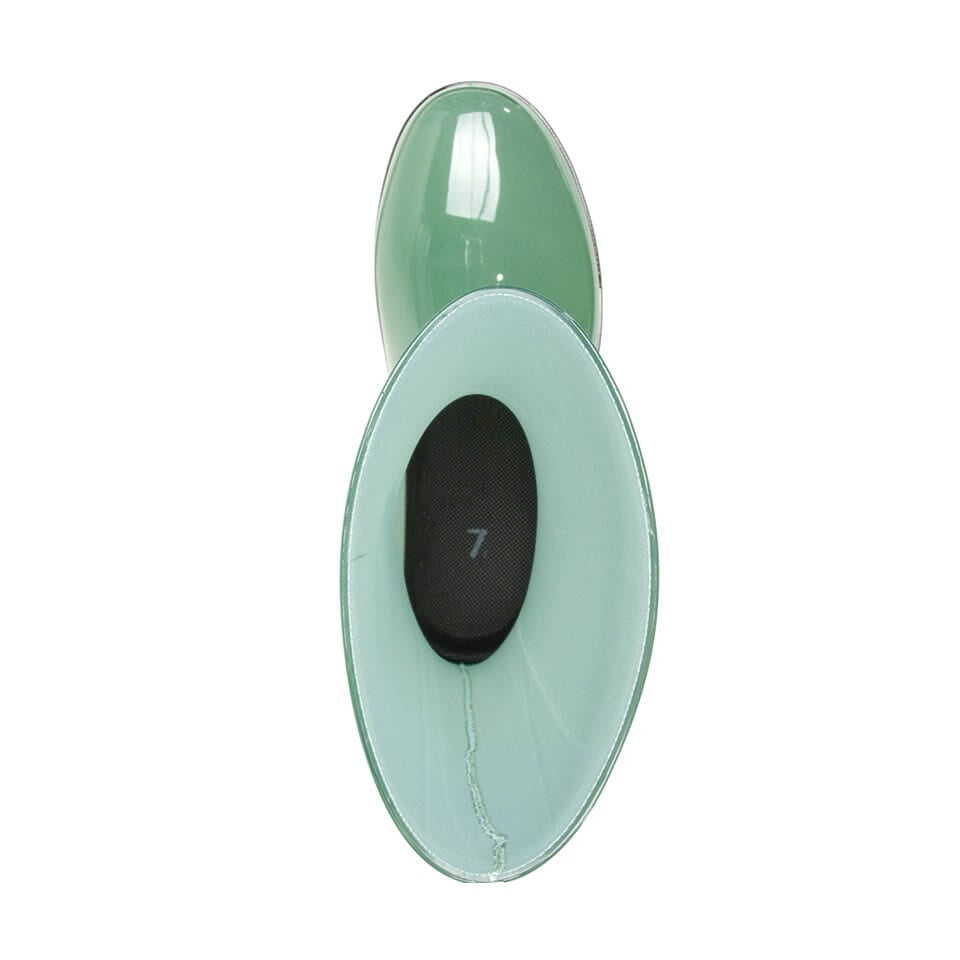
One of the more useful features is the removable CushyStep Everyday EVA foam footbed. EVA foam is popular in footwear because it can provide cushioning without adding excessive weight.
This matters because tall rubber boots can sometimes feel rather unforgiving underfoot. The removable footbed gives the Heidi a little more everyday comfort than a completely bare rubber interior.
If you regularly spend hours on your feet, however, it is worth remembering that a rain boot is still a rain boot. It is not designed to replace a dedicated walking or running shoe.
For more general fitting advice, see our detailed guide to how boots should fit.
Kamik Heidi Rain Boot Comfort: Good for Everyday Wear?
Comfort is where the Heidi becomes more interesting.
The older Heidi review praised the removable cushioned footbed, roomy toe area and ability to wear the boots with different sock thicknesses. Those characteristics make sense for a traditional tall rain boot because you do not want your toes squeezed together while the rest of the boot has plenty of room.
The current Heidi 2 also uses a removable EVA footbed, giving it a useful cushion for everyday activities.
For short walks, commuting, shopping or standing outside during a rainy event, the design should be quite practical. If you are planning to walk several miles every day, though, you may want something with more specialized arch support.
Need help deciding between a snug and roomy fit? Our guide on whether rain boots should be tight or loose covers the important details.
How Does the Heidi Fit?
Fit is one of those things that can turn a fantastic rain boot into an annoying one.
The original Heidi review described the boot as running true to size, with enough room for both thin and thicker socks. The current Heidi 2 sizing chart also provides foot-length measurements for each women’s size.
For example, the current chart lists a women’s US 8 at approximately 9.60 inches or 24.4 cm of foot length. That is much more useful than simply guessing based on your normal shoe size.
Should You Size Up?
Not automatically.
If you plan to wear thick winter socks, measure your feet while wearing the type of socks you expect to use. Otherwise, you could end up with boots that feel great barefoot but become surprisingly snug once those thick socks enter the picture.
Our article Should Rain Boots Be One Size Bigger? goes deeper into this surprisingly tricky question.
What About the Calf?
Because the Heidi is a tall boot, calf fit deserves attention too. The current Heidi 2 listing gives a circumference of approximately 36 cm for size 7.
If you have particularly wide calves, measure before buying. A boot can fit your foot perfectly and still feel restrictive higher up the leg.
Kamik Heidi Traction: Can You Trust the Sole?
Wet pavement is not the place to discover that your boots have the grip of a banana peel.
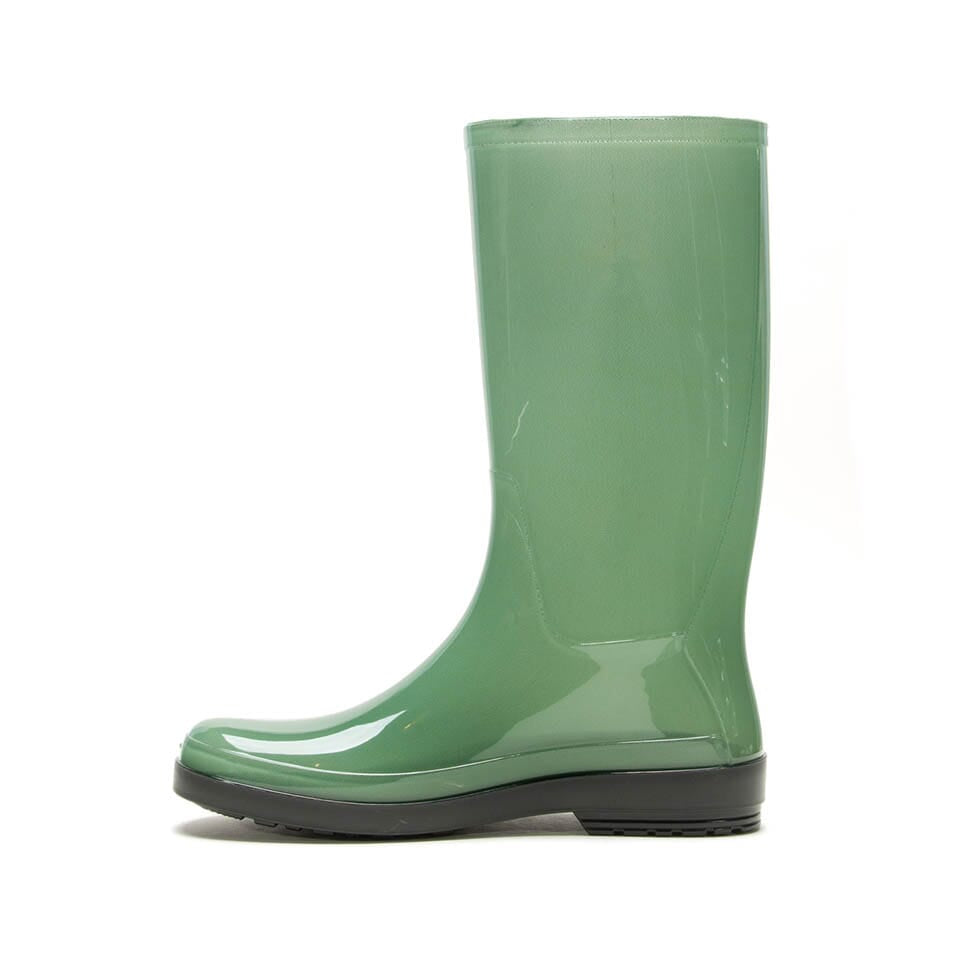
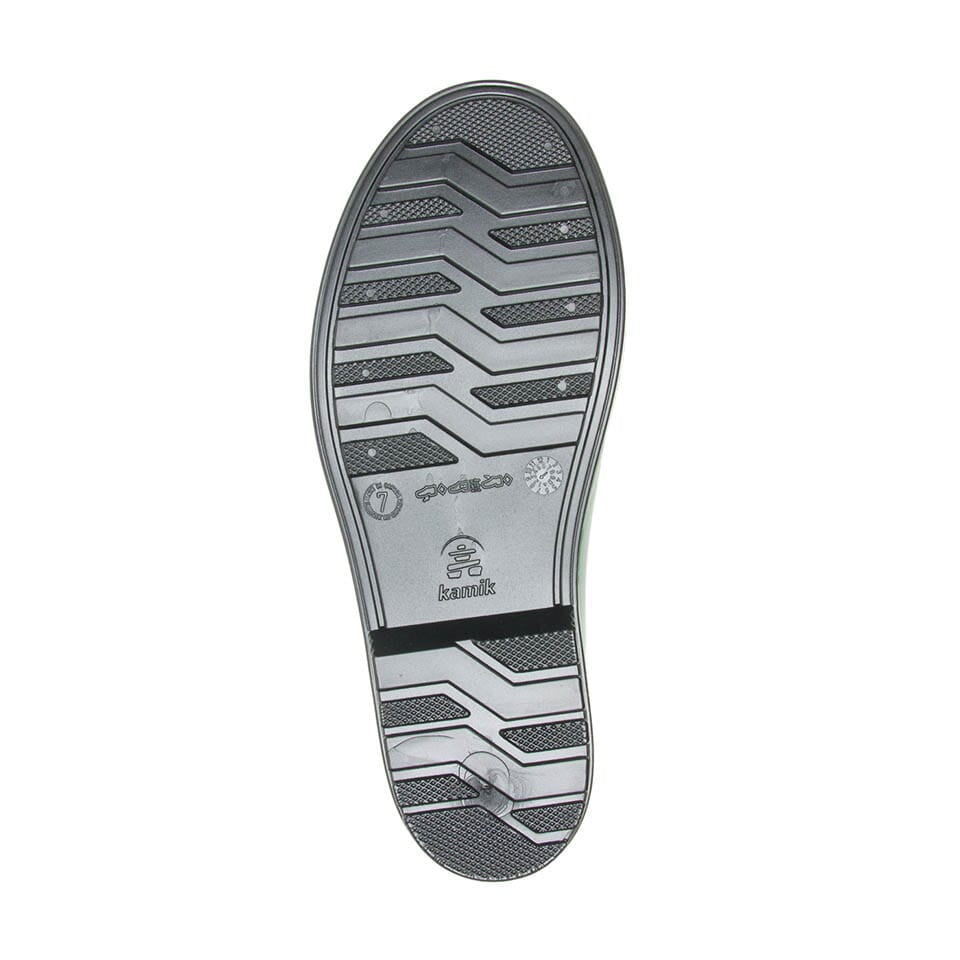
The Heidi 2 uses a lightweight synthetic rubber outsole with a tread pattern designed for everyday wet-weather traction. The sole is also non-marking, which is handy when you move from a rainy sidewalk into a building.
For normal urban use, muddy gardens and wet paths, the outsole should be more than adequate.
That said, there is an important distinction between rain protection and heavy-duty outdoor footwear. These boots are not intended to be specialist work boots for extremely rough terrain.
Can You Wear Kamik Heidi Boots in Snow?
Here is where expectations need to stay realistic.
A waterproof rain boot can be useful in light snow and slushy conditions, but waterproof does not automatically mean insulated.
The current Heidi 2 specifications emphasize waterproof construction and cushioning rather than heavy insulation. So if you live somewhere with seriously cold winters, you may need warm socks or an appropriate liner—or a dedicated insulated winter boot.
In other words, the Heidi can handle wet winter weather, but it is not trying to become a miniature sleeping bag for your feet.
If you are shopping specifically for cold conditions, our guide to wearing boots in rainy weather offers useful comparisons between different footwear materials.
Style: Surprisingly Easy to Wear
Rain boots have traditionally been associated with muddy fields and miserable weather. The Heidi takes a slightly more polished approach.
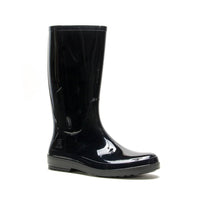
Its clean, tall silhouette works naturally with jeans, leggings and casual trousers. Black is especially easy to combine with everyday outfits, while brighter colors can add some personality to an otherwise gloomy rainy day.
And honestly, why should cloudy weather get all the fashion attention?
The glossy finish also gives the boot a more refined appearance than some utilitarian rain boots. You can wear them for errands, commuting or casual outdoor activities without looking as though you have just escaped from a farm.
How Easy Are the Heidi Boots to Put On and Remove?
This is another area where simple wins.
There are no laces to tie while rainwater is already attacking your doorstep. Simply slide your feet in, adjust your socks and head outside.
That makes tall pull-on rain boots particularly useful for school runs, quick errands, gardening and those moments when the weather suddenly changes its mind.
If your existing rain boots are feeling too tight around the calf, our guide Can Rain Boots Be Stretched? explains what you can and cannot realistically do.
Kamik Heidi Rain Boot Pros and Cons
Pros
- Waterproof construction for wet-weather protection
- Classic tall rain-boot design
- Removable EVA cushioned footbed
- Lightweight synthetic rubber outsole
- Non-marking sole
- Vegan-friendly construction
- Recyclable rubber construction according to Kamik
- Made in Canada
- Easy pull-on design
- Works well with casual rainy-day outfits
Cons
- Limited insulation compared with dedicated winter boots
- Basic underfoot support for long-distance walking
- Tall shaft may not suit people with wider calves
- Not the best choice for extremely rugged work
- Availability and pricing can vary because the current Heidi 2 is sold through different retailers
How to Care for Kamik Rain Boots
Rubber rain boots are wonderfully low-maintenance, but “low-maintenance” does not mean “completely ignore them.”
After a muddy walk, wipe away dirt and let the boots dry naturally. Avoid placing them directly beside a heater or another intense heat source. Excessive heat can damage footwear materials over time.
For a more detailed cleaning routine, see our guide on how to clean rain boots.
Keeping the tread clean is also worthwhile because accumulated mud can reduce the effectiveness of the grooves underneath the boot.
Heidi vs. Other Rain Boots: Who Should Buy Them?
The Heidi makes the most sense for someone who wants a classic waterproof boot without turning the purchase into a major fashion or technical decision.
It is especially appealing for:
- People who regularly walk in rainy weather
- Commuters dealing with wet sidewalks and puddles
- Gardeners who need waterproof footwear
- Anyone who wants an easy pull-on boot
- Shoppers who prefer a simple, classic silhouette
- People looking for vegan-friendly rain footwear
If you are comparing brands, remember that fit can vary dramatically. For example, shoppers often ask whether Hunter boots run large. Our Hunter rain boot sizing guide can help when comparing another popular option.
You can also browse our rain boots reviews for more footwear comparisons.
Is the Kamik Heidi Good Value?
The value proposition is one of the Heidi’s strongest arguments.
You are getting a waterproof tall boot with a removable cushioned footbed, rubber outsole and straightforward everyday styling. There is no need to pay for features you may never use if your main goal is simply staying dry.
The current Heidi 2 also adds some appealing sustainability-related features, including vegan-friendly construction and recyclability claims from Kamik.
However, value depends on how you plan to use the boots. Someone looking for an insulated winter boot, a serious hiking boot or a heavy-duty work boot should consider a more specialized model.
Final Verdict: Are Kamik Women’s Heidi Rain Boots Worth It?
Yes—if your priority is reliable everyday rain protection with a classic look.
The Kamik Women’s Heidi Rain Boot remains appealing because it does not try to be everything. It focuses on the essentials: waterproof protection, practical comfort, easy pull-on wear and a stylish tall silhouette.
The current Heidi 2 strengthens that formula with a removable EVA footbed, synthetic rubber construction, non-marking outsole, vegan-friendly materials and recyclable construction.
For rainy commutes, puddle-filled sidewalks, garden chores and ordinary wet-weather adventures, the Heidi is a sensible choice. Just do not confuse it with an insulated expedition boot or specialist work boot.
And before ordering, measure both your feet and your calves. A few minutes with a measuring tape can save you from the classic online-shopping disaster: opening the box, trying on the boots and discovering that your feet are happy but your calves have officially filed a complaint.
For additional buying advice, visit our rain boots advice section and browse more guides before choosing your next pair.
Frequently Asked Questions About Kamik Heidi Rain Boots
Are Kamik Heidi rain boots waterproof?
Yes. The current Heidi 2 is designed with waterproof synthetic rubber construction and is marketed by Kamik as 100% waterproof.
Are Kamik Heidi boots comfortable?
They are designed for everyday comfort and include a removable CushyStep EVA foam footbed. However, people who need substantial arch support for long-distance walking may prefer a more specialized footwear design.
Do Kamik Heidi rain boots run true to size?
The original Heidi review described the boots as true to size. The current Heidi 2 also provides detailed foot-length measurements, so checking the official sizing chart is recommended before ordering.
Can you wear Kamik Heidi boots in snow?
They can handle wet and slushy conditions, but the Heidi 2 is primarily a rain boot rather than a heavily insulated winter boot. For severe cold, consider an insulated model.
Are Kamik Heidi boots vegan?
Yes. Kamik identifies the Heidi 2 as vegan-friendly and says it is made without animal byproducts.
Are Kamik Heidi boots good for walking?
They are suitable for everyday walking, commuting and casual outdoor activities. For long-distance walking or demanding terrain, a purpose-built walking or hiking boot may provide better support.
How do you clean Kamik Heidi rain boots?
Remove loose dirt, wipe the exterior with a damp cloth and allow the boots to air dry naturally. Avoid excessive heat when drying rubber footwear.
What is the main reason to buy Kamik Heidi rain boots?
The biggest attraction is the combination of waterproof protection, classic styling, easy pull-on convenience and everyday cushioning without an overly complicated design.