Video credit: Fishing Tips Tackle & Tactics on YouTube
Snow looks beautiful from a warm window. Rain can even be relaxing when you are sitting indoors with a hot drink. But step outside wearing ordinary sneakers and suddenly both weather conditions become very personal.
Wet socks, freezing toes and slippery sidewalks are nobody’s idea of a good time.
That is why the best boots for snow and rain need to do more than simply look rugged. They should keep water out, provide enough warmth, offer dependable traction and remain comfortable when the weather decides to misbehave.
The original version of this article looked at three standout winter boots back in 2018. For this 2026 update, we’re taking another look at three names that deserve attention: the Muck Boot Arctic Sport, Steger Mukluks Yukon and BOGS Classic High.
And there is an important twist: the best boot depends heavily on the kind of winter you actually face. A rainy city commute is a completely different challenge from standing outdoors in deep snow at temperatures that make your car battery nervous.
What Makes a Great Snow and Rain Boot in 2026?
Before choosing a pair, think about where you will actually wear them. The best winter boot for a hunter or outdoor worker could be massive overkill for somebody walking from the house to the office.
For serious wet and cold weather, these are the features that matter most:
- Waterproof construction to keep rain, slush and melting snow outside.
- Insulation that matches the temperatures you expect.
- Good traction for snow, mud and slippery surfaces.
- Comfortable cushioning for walking and standing.
- Enough height to keep deeper snow and splashing water away from your legs.
- A secure fit without crushing your toes or allowing excessive heel movement.
Our water-resistant vs. waterproof shoes guide explains why the difference matters. A pair that handles a light drizzle is not necessarily prepared for hours of slush and standing water.
Top 3 Best Boots for Snow and Rain in 2026
3. Muck Boot Arctic Sport Tall
If your idea of winter involves mud, snow, freezing temperatures and spending serious time outdoors, the Muck Boot Arctic Sport Tall deserves a close look.
The current men’s Arctic Sport Tall is a tall waterproof boot built around a 5mm neoprene bootie, fleece lining, EVA midsole and rugged MS-1 molded outsole. Muck rates the model for cold-weather conditions down to approximately -40°F, depending on use and conditions.

Why the Arctic Sport Is So Popular
The recipe is simple: waterproof rubber on the outside, insulating neoprene inside and a rugged outsole underneath.
Muck describes the Arctic Sport as waterproof and designed for demanding outdoor conditions. Its 5mm neoprene bootie provides warmth and flexibility, while the fleece lining adds another layer of insulation. Thermal foam under the footbed helps further reduce heat loss.
That combination makes the Arctic Sport especially appealing for people who spend a lot of time outside instead of simply crossing a wet parking lot.
Think gardening in winter, hunting, farm work, muddy trails or long walks through wet snow. These boots are built for mess.
Traction and Durability
The MS-1 molded outsole features deep tread designed to provide grip over mud, snow and wet ground. The boot also includes reinforcement around key areas such as the instep and heel.
That aggressive tread is a major advantage when conditions get ugly. If your walking route looks like someone poured chocolate pudding over an ice rink, this is the sort of sole you want underneath you.

Muck Arctic Sport Pros and Cons
Pros:
- Waterproof construction
- 5mm neoprene insulation
- Fleece lining
- Thermal foam underfoot
- Rugged outsole
- Excellent choice for cold and messy outdoor conditions
- Current model remains available in 2026
Cons:
- Can be excessive for mild rainy weather
- Tall design may not suit everyone
- More practical than fashionable
For sizing advice, see our complete guide to how boots should fit.
2. Steger Mukluks Yukon
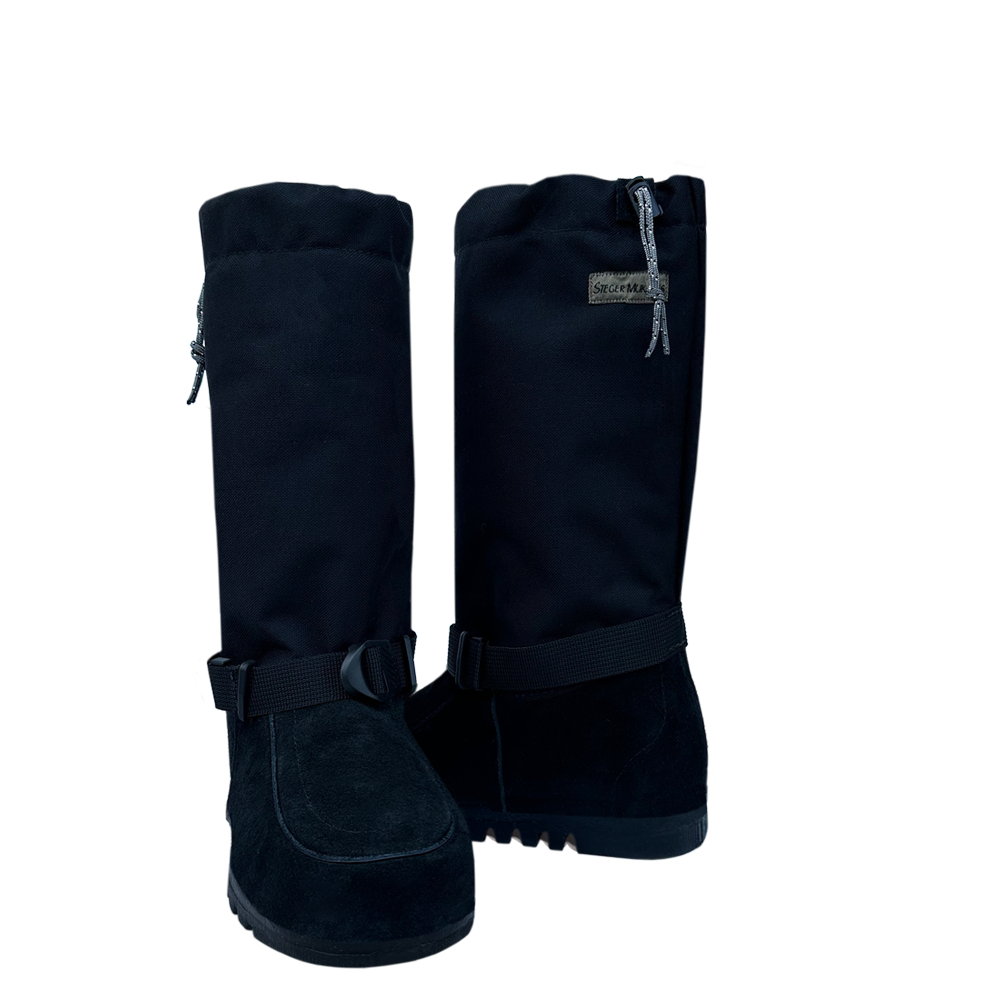
The Steger Mukluks Yukon is the unusual option on this list.
At first glance, it doesn’t look like the typical heavy-duty winter boot. It looks lighter and more flexible. That is part of what makes it interesting.
Steger describes the Yukon as an expedition-style boot designed for extreme cold. The men’s version uses full-grain leather, Cordura, a thick wool-felt liner, a wool-felt insole and a rubber sole.
Why Mukluks Are Different
Mukluks have a long history as cold-weather footwear, and the Yukon applies that lightweight philosophy to modern winter use.
Instead of building a stiff, heavy boot, Steger focuses on warmth, flexibility and relatively low weight. The result is footwear designed for people who may spend hours outdoors in seriously cold weather.
The Yukon is marketed for activities such as snowshoeing, ice fishing, dog sledding, winter research, hunting and other demanding winter activities.
That is quite a résumé for a boot that looks so simple.
Warmth Without the Brick Feeling
The thick wool-felt liner and insole provide substantial insulation while the flexible construction helps the boot move naturally.
For extreme cold, that combination can be appealing. Instead of feeling like you are wearing a pair of rigid blocks on your feet, the Yukon aims for warmth without unnecessary bulk.
Of course, extreme-cold performance depends on activity level, sock choice, fit and the conditions around you. No winter boot can magically defeat physics.
Steger Yukon Pros and Cons
Pros:
- Designed for extreme winter conditions
- Very warm wool-felt insulation
- Flexible construction
- Rugged rubber sole
- Available in multiple widths
- Excellent for prolonged cold-weather activity
Cons:
- More expensive than ordinary rain boots
- Not the obvious choice for mild climates
- Leather sections require proper care
- Availability can vary
Our article on whether rain boots should be one size bigger is also useful when you are planning to wear thick winter socks.
1. BOGS Classic High Men’s Insulated Waterproof Boots
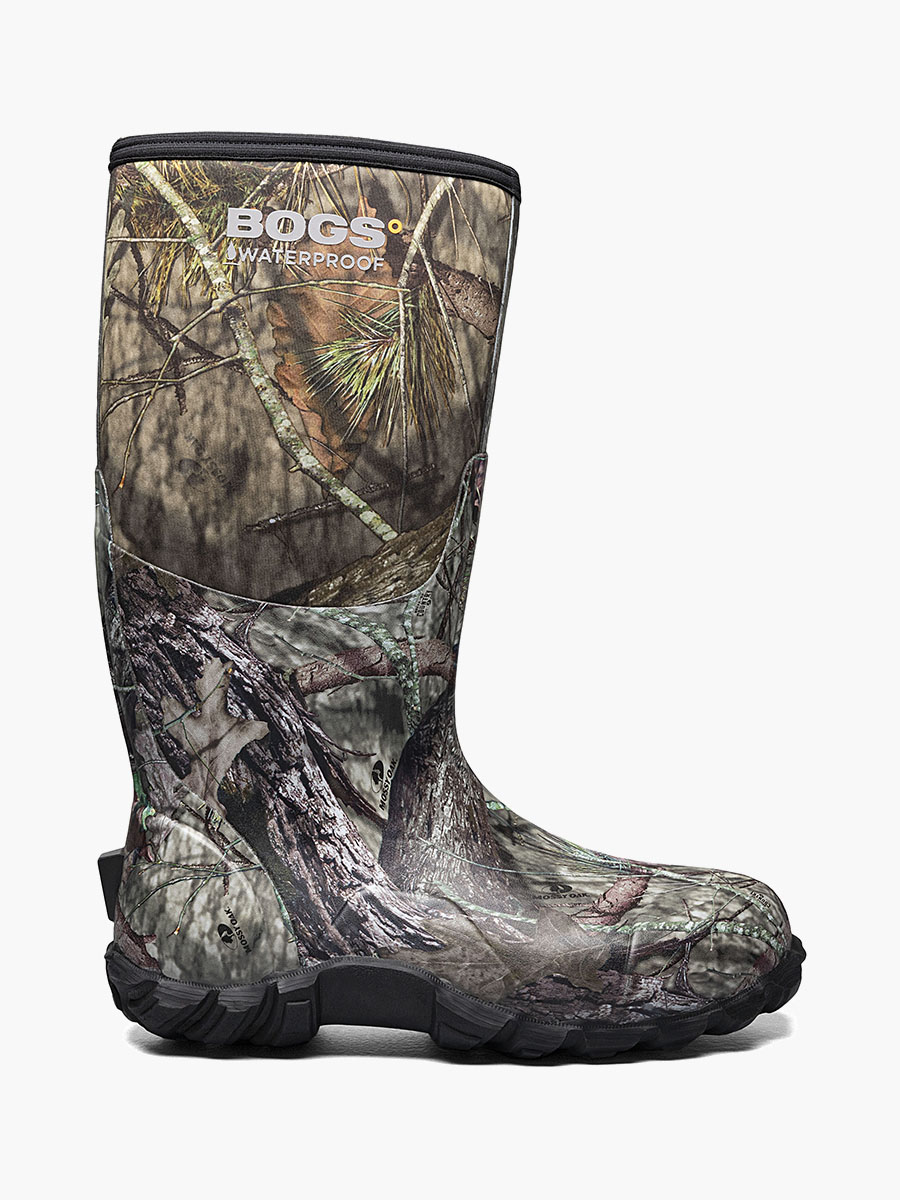
For the best balance of rain protection, warmth, comfort and everyday versatility, the BOGS Classic High takes the top spot.
The current men’s Classic High is a tall waterproof boot designed for rain, snow and mud. BOGS uses 7mm Neo-Tech insulation, a four-way stretch inner bootie, an EVA-based footbed and a self-cleaning outsole.
Why the BOGS Classic High Gets the Number One Spot
The biggest advantage is versatility.
The Classic High isn’t designed only for extreme expedition work. It is equally at home in rain, snow, mud and cold everyday conditions.
The insulated construction provides warmth, while the flexible inner bootie helps keep the fit comfortable around the leg. BOGS also incorporates moisture-management technology to help keep feet drier inside the boot.
That combination is hard to ignore if you want one pair of boots that can handle a wide variety of ugly-weather situations.
Excellent Protection From Water
The Classic High is designed to be fully waterproof. Its tall shaft also offers more protection than an ankle boot when you encounter deeper puddles or accumulating snow.
That extra height can make a surprisingly big difference. Water doesn’t always attack from directly underneath you. Splashing cars, melting snowbanks and muddy paths can send moisture in from every direction.
For help keeping footwear clean after those adventures, check our how to clean rain boots guide.

Traction and Everyday Comfort
The BOGS Classic High uses a self-cleaning outsole designed to improve grip while helping mud release from the tread.
That is particularly helpful when you’re walking across wet ground. A sole that instantly turns into a mud sandwich isn’t especially useful.
The boot also includes cushioning underfoot and odor-control features, making it more practical for regular wear than some purely utilitarian winter boots.
Our BOGS Sauvie boots review is worth a look if you prefer a more casual BOGS style.
BOGS Classic High Pros and Cons
Pros:
- Waterproof construction
- 7mm insulation
- Designed for very cold conditions
- Tall 15-inch style
- Stretch inner bootie
- Self-cleaning outsole
- Excellent for rain, snow and mud
- Very versatile for everyday winter use
Cons:
- Heavier than lightweight winter shoes
- May be too warm for mild weather
- Tall shaft is not everyone’s preference
- More functional than fashion-oriented
Which Snow and Rain Boot Should You Choose?
All three are capable, but they are aimed at slightly different people.
| Boot | Best For | Warmth | Water Protection | Traction |
|---|---|---|---|---|
| Muck Arctic Sport | Outdoor work, mud and extreme cold | Excellent | Excellent | Excellent |
| Steger Yukon | Extreme cold and expedition use | Exceptional | Very Good | Excellent |
| BOGS Classic High | All-around rain, snow and winter use | Excellent | Excellent | Excellent |
For ordinary wet and cold conditions, the BOGS Classic High is probably the easiest recommendation. For outdoor work and seriously muddy ground, the Muck Arctic Sport has a clear advantage. For extreme cold where insulation and flexible construction are priorities, the Steger Yukon is the specialist choice.
How Should Winter Boots Fit?
A waterproof boot can have amazing insulation and an impressive outsole, but if it doesn’t fit properly, you won’t enjoy wearing it.
Pay attention to three things: foot length, foot width and the amount of room available for your winter socks.
Our Should Rain Boots Be Tight or Loose? guide explains why the ideal fit is secure and comfortable rather than painfully tight.
Also consider your calf. Tall boots have to fit around the leg as well as the foot. If the shaft is too restrictive, you may end up with a boot that technically fits but is miserable to wear.
If an old pair has become uncomfortable, our guide on whether rain boots can be stretched explains what can realistically be changed.
Can You Wear Rain Boots for Everyday Walking?
Absolutely, but choose according to the distance and weather.
A heavily insulated boot is fantastic in freezing temperatures but can feel unnecessarily warm in mild rain. Likewise, a lightweight rain boot may be perfect for a short city commute but completely unsuitable for hours in deep snow.
That’s why it is smarter to think about your actual routine instead of simply buying the boot with the most dramatic cold-weather rating.
For more footwear comparisons, browse our rain boots reviews.
How to Make Winter Boots Last Longer
Even a rugged winter boot needs a little care.
Remove mud regularly, allow wet footwear to dry naturally and follow the manufacturer’s cleaning instructions. Avoid placing rubber boots next to a powerful heater just because you want them dry before bedtime. Excessive heat can damage footwear materials.
Leather sections also deserve their own care routine. Don’t treat leather exactly like rubber.
Our guide on wearing leather boots in the rain explains the difference.
Are These Boots Good for Heavy Snow?
Yes, but there is an important qualification: snow depth, temperature and activity all matter.
The Muck Arctic Sport and BOGS Classic High are particularly strong options because they combine waterproof construction with substantial insulation. The Steger Yukon is even more specialized toward extreme cold.
For light snow around town, you probably don’t need the most extreme winter boot you can buy. For deep snow and long exposure, however, insulation and shaft height become much more important.
Best Boots for Snow and Rain in 2026: Final Verdict
The original three-boot concept still works surprisingly well, but the 2026 buying decision is easier when you look at how each model is actually intended to be used.
BOGS Classic High is our best overall pick because it offers an excellent mix of waterproofing, insulation, height, comfort and versatility.
Muck Arctic Sport Tall is the better choice when your winter involves serious mud, outdoor work or long periods in cold and wet conditions.
Steger Mukluks Yukon is the specialist. For extreme cold where warmth, flexibility and long-duration outdoor comfort matter, it is one of the most interesting options in this category.
In simple terms:
- Best overall: BOGS Classic High
- Best for outdoor work: Muck Arctic Sport Tall
- Best for extreme cold: Steger Mukluks Yukon
Don’t automatically choose the boot with the largest temperature rating. Think about where you live, how much you walk, whether you’ll encounter mud or deep snow, what socks you wear and how much insulation you actually need.
The perfect winter boot isn’t necessarily the toughest boot on Earth. It is the one that lets you step outside when the weather turns nasty and think, “Is that really the best snowstorm you’ve got?”
Frequently Asked Questions About the Best Snow and Rain Boots
What are the best boots for snow and rain in 2026?
Three strong options are the BOGS Classic High, Muck Arctic Sport Tall and Steger Mukluks Yukon. The BOGS is the best all-around choice, while Muck and Steger are particularly suitable for demanding outdoor and extreme-cold conditions.
Are Muck Arctic Sport boots waterproof?
Yes. The Arctic Sport Tall is designed as a waterproof cold-weather boot with rubber and neoprene construction.
Are BOGS Classic High boots good for snow?
Yes. The Classic High combines waterproof construction with substantial insulation and a rugged tread, making it a strong choice for snow, slush and mud.
Are Steger Yukon boots good for extreme cold?
Yes. The Yukon is specifically designed around extreme winter use and uses thick wool-felt insulation for warmth.
Which is warmer, Muck Arctic Sport or BOGS Classic High?
Both are serious cold-weather boots. Muck uses 5mm neoprene with fleece and thermal insulation, while BOGS uses 7mm Neo-Tech insulation. Actual warmth depends on activity, socks, fit and individual sensitivity to cold.
Are winter rain boots too warm for everyday use?
They can be. If you live somewhere with mild winters, a heavily insulated boot may make your feet unnecessarily warm. Match the insulation level to your climate.
Should snow boots fit tight or loose?
They should fit securely without squeezing your toes. You also need enough room for the socks you actually plan to wear. Our rain boot fitting guide explains more.
Can rain boots be used for long walks?
Yes, provided the fit and cushioning are comfortable. For very long walks, a dedicated hiking boot may offer better support and flexibility.
How should waterproof winter boots be cleaned?
Remove dirt and mud regularly, use suitable cleaning products and allow the boots to dry naturally. Avoid intense direct heat. Our rain boot cleaning guide provides a simple routine.
What is the most important feature in a snow and rain boot?
There isn’t one universal feature. Waterproofing is essential for wet conditions, while insulation becomes critical in cold weather and traction matters when surfaces become slippery. The best boot balances all three for your specific environment.