Picture this: You’re scrolling through your feed, spot a pair of sleek Hunter rain boots, and think, “Wow, those look amazing—but why the hefty price tag?” If you’ve ever wondered why Hunter rain boots are so expensive and if they’re really worth it, you’re in the right place. These iconic boots have been a staple for over a century, blending style, function, and a touch of British charm. Let’s splash into the details with a smile, exploring what makes them pricy and if they deserve a spot in your closet. Spoiler: There’s more to them than meets the eye!
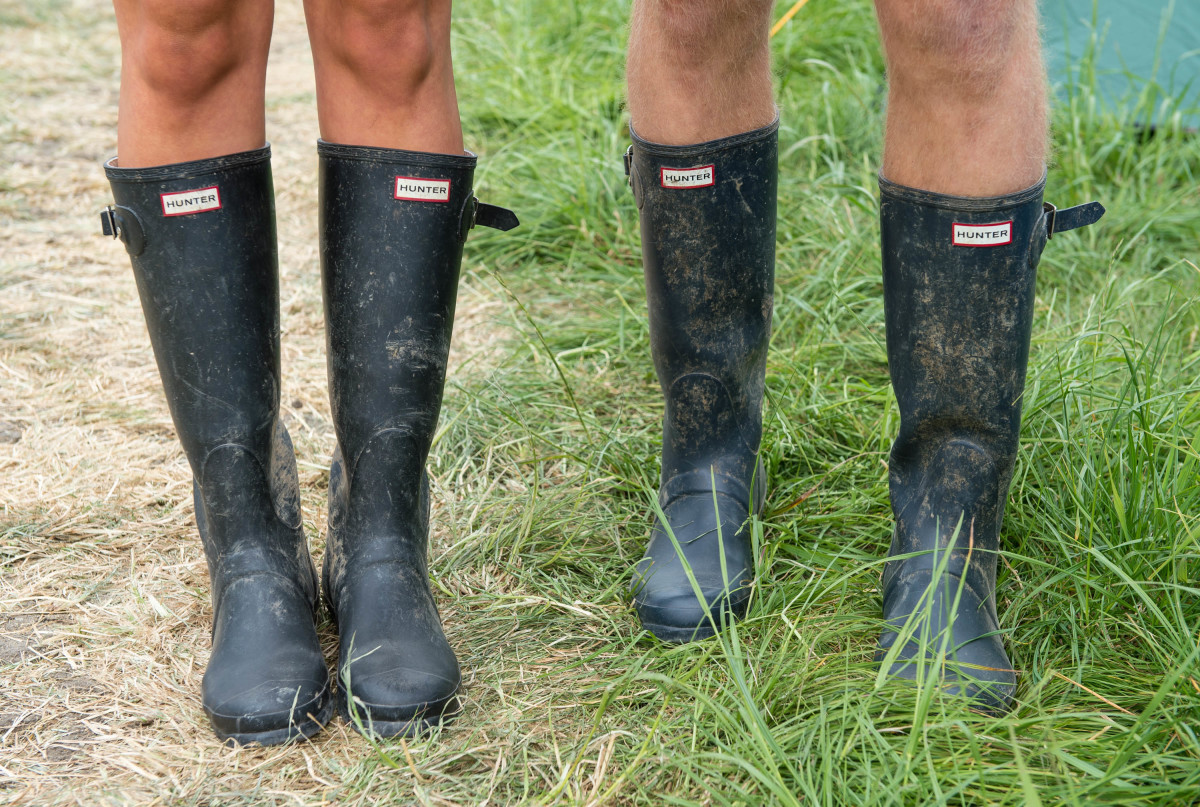
Hunter boots aren’t just footwear; they’re a statement. From royals to festival-goers, they’ve kept feet dry in style. But with prices often over $150, it’s natural to question the value. We’ll break it down, share laughs from my own boot blunders, and help you decide. Ready? Let’s go!
A Quick Dive into Hunter Boots History
Hunter’s story starts in 1856 in Scotland, where American entrepreneur Henry Lee Norris saw a gap in the market for durable rubber boots. Inspired by the wet British weather, he created boots that could handle mud, rain, and everything in between. Fast forward, and Hunter became the go-to for World War soldiers, explorers, and even Queen Elizabeth II.
Today, Hunter is synonymous with quality. Their royal warrant from the British monarchy adds that extra prestige. It’s like wearing a piece of history on your feet—cool, right? For more on boot origins, check out Hunter Boot Ltd on Wikipedia.
Why Are Hunter Rain Boots So Expensive? The Real Reasons
So, why the high cost? It’s not just hype. Let’s unpack the factors that drive up the price.
Top-Notch Materials That Last
Hunter uses natural vulcanized rubber, sourced responsibly. This stuff is tough, flexible, and waterproof—unlike cheap synthetics that crack after one season. Imagine boots that bounce back from puddles like a super ball. That’s Hunter quality.

They also incorporate orthopedic lasts for comfort, and some models have adjustable gussets for wider calves. These premium materials aren’t cheap, but they pay off in longevity. One pair can last years with care.
Craftsmanship Like No Other
Each boot is handcrafted with 28 parts, assembled over three days. Skilled artisans ensure every seam is sealed, every buckle secure. It’s like a tailor-made suit for your feet—meticulous and time-consuming.
In a world of mass-produced junk, Hunter’s attention to detail stands out. No wonder they cost more; you’re paying for expertise passed down generations. Ever tried cheap boots that fall apart? Yeah, me too—hilarious until your socks get wet!
Brand Power and Marketing Magic
Hunter’s brand is gold. Endorsed by celebrities like Kate Moss and seen at Glastonbury, they scream style. Marketing as lifestyle icons adds value. Plus, limited editions and collaborations bump prices.
But is it just branding? No, the quality backs it up. For sizing tips, see Do Hunter Rain Boots Run Big? The Ultimate Fun Guide to Your Perfect Pair!.
Research and Development Costs
Hunter invests in innovation, like eco-friendly rubber and better grips. These R&D expenses get passed to consumers, ensuring boots evolve with needs.
Are Hunter Rain Boots Worth the Price? Let’s Weigh It
The big question: Are they worth it? It depends on your needs, but here’s the scoop.
The Pros That Make Them Shine
- Durability: Lasts ages, saving money long-term.
- Comfort: Cushioned insoles, adjustable fits.
- Style: From classic to trendy colors.
- Versatility: Great for rain, snow, festivals.
- Warranty: Often covered for defects.
I splurged on a pair for a rainy trip—best decision! No blisters, no leaks. For fit advice, read Should Rain Boots Be Tight OR Loose.
The Cons to Consider
- Heavy for some.
- Can run big—measure carefully.
- Not the cheapest option.
If you live in dry areas, maybe not. But for wet climates? Totally worth it.

Real User Reviews and Anecdotes
Don’t take my word—users rave about them. “Worth every penny for durability,” says one Amazon reviewer. Another: “Stylish and comfy for festivals.”
Some complain about weight, but most agree quality trumps. My story: Wore mine in mud—cleaned up like new. For cleaning tips, see How To Clean Rain Boots.
Cheaper Alternatives to Hunter Boots
Not ready to splurge? Try Blundstone or generic rubber boots. They offer similar protection at lower prices, but may lack style or longevity.
For example, Blundstones are rugged alternatives. Check Best Blundstone Boots for 2022. Or leather options with waterproofing—see Can You Wear Leather Boots In The Rain – Essential Things You Need To Know.
How to Care for Your Hunter Rain Boots
To make them worth it, care properly. Wipe mud, use Hunter shine kit, store upright.
- Avoid heat sources.
- Use socks for comfort.
- Stretch if tight—see Can Rain Boots Be Stretched? Absolutely – And Here’s How!.

Where to Score Your Hunter Rain Boots
Buy from official site for authenticity: Hunter Boots Official. Amazon for deals: Hunter on Amazon.
Look for sales—Black Friday is golden. For kids’ versions, explore Best Boots For Snow And Rain – Top Three Picks In 2018.
FAQs: Your Hunter Boot Questions Answered
Why are Hunter rain boots so expensive? Premium rubber, craftsmanship, brand prestige.
Are Hunter boots worth the price? Yes, for durability and style in wet weather.
Do Hunter boots run big? Often yes—size down. See our guide.
Can I wear Hunter boots in snow? With insulation, sure.
How to stretch Hunter boots? Use methods like freezing.
Water-resistant or waterproof? Waterproof! For comparison, read Water Resistant vs Waterproof Shoes: Which Is Better?.
Best for wide calves? Adjustable models.
How to clean? Mild soap, air dry.
Alternatives? Blundstone or cheaper rubber.
Do they come in kids’ sizes? Yes, adorable ones.
Should they be tight or loose? Snug with room. See our post.
Can I wear over shoes? Yes, if sized up. Read Do You Wear Rain Boots Over Shoes – Tips On Wearing Rain Boots.
How to choose size? Measure feet and calves. For lace info, The Right Shoe Size for You: A Guide to Shoelace Length.
Are they good for hiking? Yes, grippy soles.
Final thoughts? If you love quality, go for it!
There you have it—the lowdown on why Hunter rain boots are expensive and if they’re worth it. They might cost more, but the joy of dry, stylish feet? Priceless. Happy shopping!