Ever stepped out on a drizzly day, only to return with soggy socks and a grumpy mood? We’ve all been there! Choosing the right shoes for wet weather can feel like a gamble. Should you go for water-resistant or waterproof? What’s the real difference, and which is better for your lifestyle? Let’s dive into this watery debate with a splash of fun and some practical advice. By the end, you’ll know exactly what to pick for your next rainy adventure. Think of it as arming your feet against Mother Nature’s mood swings!
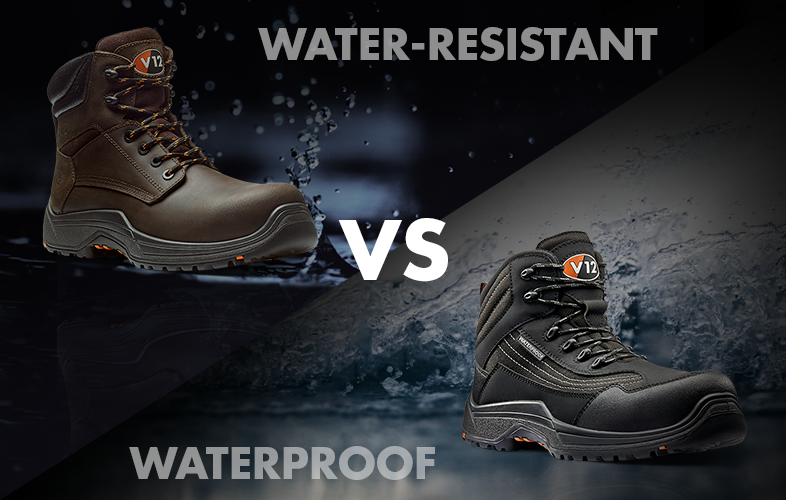
Shoes have come a long way from basic protection. Today, they’re engineered marvels that keep us dry while looking sharp. But with terms like water-resistant and waterproof thrown around, it’s easy to get confused. Don’t worry—we’ll break it down simply, with laughs and real-life stories along the way. Remember that time I wore my favorite sneakers in a downpour? Yeah, they became squishy sponges. Lesson learned!
Breaking It Down: What Does Water-Resistant Really Mean?
Water-resistant shoes are like that friend who says they’ll join you for a light jog but bails if it pours. They handle splashes and light rain pretty well but aren’t built for deep puddles or prolonged exposure.
These kicks use materials treated to repel water to some degree. Water beads up and rolls off, keeping your feet dry for short stints in damp conditions. It’s perfect for everyday use when you might encounter a sprinkle or two.
But here’s the catch: Over time or in heavy rain, water can seep in. It’s not a fortress against floods, more like a light shield. Ever splashed through a shallow puddle and stayed dry? That’s water-resistant magic at work.
Pros of Water-Resistant Shoes
- Breathable: Your feet won’t feel like they’re in a sauna.
- Lightweight: Easy to wear all day without fatigue.
- Affordable: Often cheaper than fully waterproof options.
- Stylish variety: From sneakers to dress shoes, choices galore.
Cons to Keep in Mind
- Limited protection: Not ideal for heavy rain or submersion.
- Wears off: Treatments can fade with time and washing.
- Not for extremes: Skip them for hiking in wet terrains.
For more on weather-ready footwear, check out Can You Wear Leather Boots in the Rain? Fun Tips to Keep Them Stylish and Dry!.
The Fortress: Unpacking Waterproof Shoes
Now, waterproof shoes? They’re the superheroes of the shoe world—built to withstand serious water assaults. These bad boys use membranes like Gore-Tex or sealed seams to keep water out completely, even if you’re wading through streams.
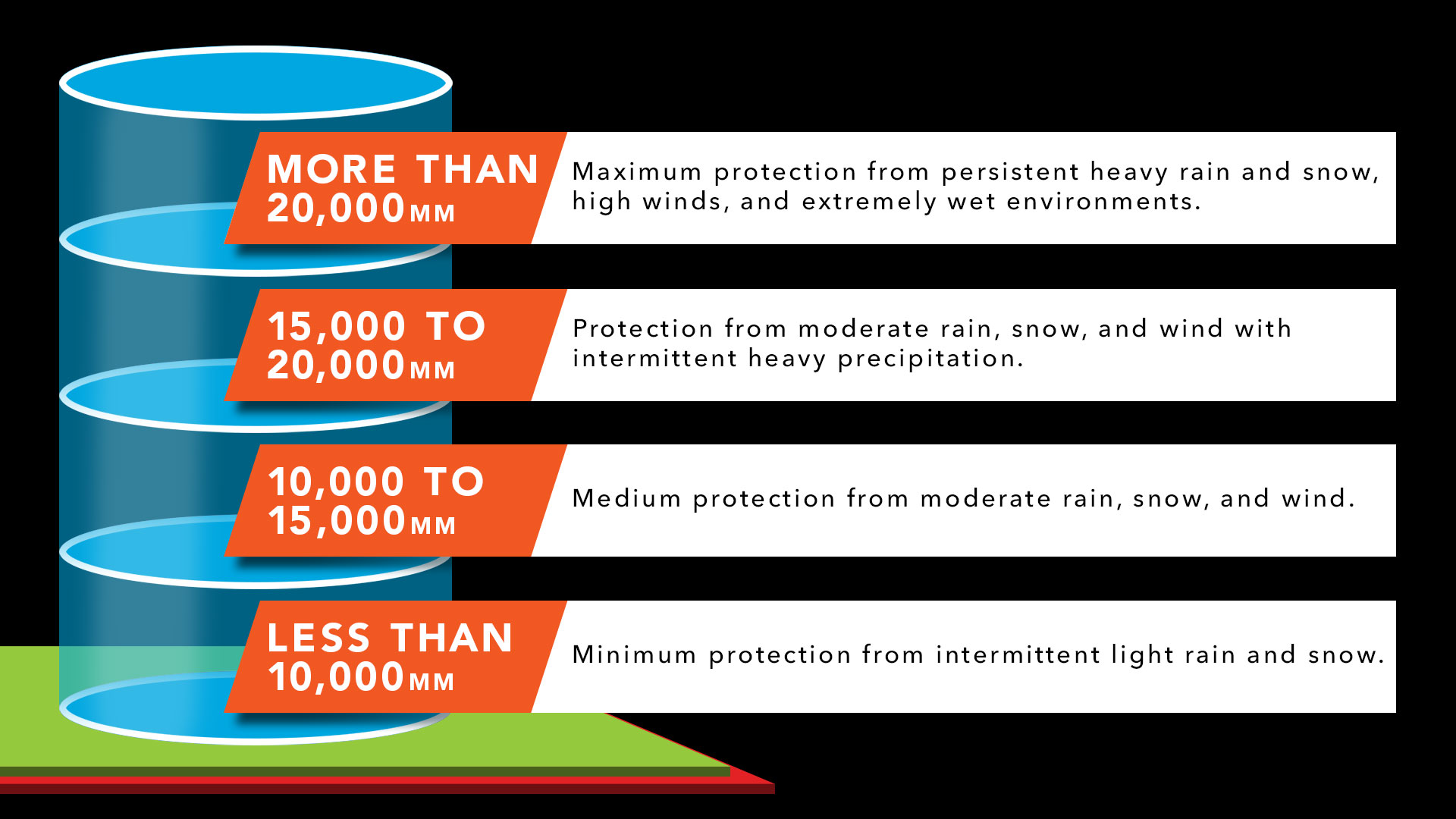
Imagine standing in a puddle up to your ankles and emerging bone-dry. That’s the promise of waterproof footwear. They’re ideal for outdoor enthusiasts, workers in wet environments, or anyone who laughs at rain forecasts.
One funny story: I once tested waterproof boots by jumping in a lake (shallow end, safety first!). Feet stayed dry, but my pants? Not so much. Proves the point—waterproof means business.
Advantages of Going Waterproof
- Total protection: Handles immersion without a drop inside.
- Durability: Built tough for rough use.
- Versatile for activities: Great for hiking, fishing, or snowy days.
- Long-lasting: Seals and materials hold up over time.
Downsides You Should Know
- Less breathable: Can lead to sweaty feet in warm weather.
- Heavier: Might feel bulky for casual wear.
- Higher price: Quality waterproofing costs more.
- Overkill for mild conditions: Unnecessary for light drizzle.
Interested in specific brands? See Do Hunter Rain Boots Run Big? The Ultimate Fun Guide to Your Perfect Pair!.
Head-to-Head: Water-Resistant vs Waterproof – Key Differences
Let’s pit them against each other like a friendly boxing match. Water-resistant is quick and agile, dodging light rain with ease. Waterproof is the heavyweight champ, taking on torrents without flinching.
The main difference? Level of protection. Water-resistant repels water but allows entry under pressure. Waterproof blocks it entirely, thanks to impermeable barriers.
| Feature | Water-Resistant | Waterproof |
|---|---|---|
| Protection Level | Light rain, splashes | Heavy rain, submersion |
| Breathability | High | Moderate to low |
| Weight | Light | Heavier |
| Cost | Lower | Higher |
| Best For | Daily wear, urban life | Outdoor adventures |
This table makes it clear, right? Choose based on your needs. For sizing tips, read Should Rain Boots Be One Size Bigger? Fun Tips for the Perfect Rain Boot Fit!.
When to Choose Water-Resistant Shoes
Opt for water-resistant if your days involve quick commutes or light outdoor activities. They’re perfect for city dwellers who face occasional showers but not monsoons.
Questions to ask: Do you need breathability? Is style a priority? If yes, water-resistant wins. They’re like jeans—versatile and comfy for most occasions.

Personal tip: I wear water-resistant sneakers for dog walks. They handle dew and light rain without making my feet sweat. For stretching tips if they feel tight, check Can Rain Boots Be Stretched? Absolutely – And Here’s How!.
When Waterproof Shoes Are Your Best Bet
Go waterproof for serious wet weather or activities like hiking, gardening, or construction work. They’re essential if you’re in rainy climates or love water sports.
Analogy time: Waterproof shoes are like umbrellas—full coverage when you need it most. Don’t skimp if you’re planning a trek in the woods!
One anecdote: During a camping trip, my waterproof boots saved the day in a sudden storm. Friends with regular shoes? Not so lucky. Learn about wearing them right in Do You Wear Rain Boots Over Shoes – Tips On Wearing Rain Boots.
Materials That Keep Water at Bay
Behind the magic are materials like rubber, Gore-Tex, and treated leather. Gore-Tex is a star—tiny pores let sweat out but block water in.
For water-resistant, sprays add a protective layer. Natural options like waxed canvas work too. It’s science meeting style!
Explore more on materials in Why Should We Use Rubber Boots. For external info, visit Gore-Tex Official Site.
Top Water-Resistant Shoes to Try
Looking for recommendations? Here are some winners:
- Nike React Element: Sleek, repels light rain, super comfy.
- Adidas Terrex: Trail-ready with water-resistant uppers.
- Merrell Moab: Versatile for hikes or errands.

For fit advice, see How Should Boots Fit?: Your Complete Fitting Guide.
Best Waterproof Shoes for Any Adventure
Ready for the heavy hitters?
- Salomon X Ultra: Gore-Tex lined, grippy soles.
- Keen Targhee: Rugged, fully waterproof.
- Hunter Original: Classic rain boots with style.
These keep you dry in the worst weather. Clean them right with How To Clean Rain Boots.
How to Maintain Your Water-Protected Footwear
Care is key to longevity. For water-resistant, reapply sprays regularly. Waterproof? Clean seals and air dry.
Avoid heat sources—they damage materials. Store in cool, dry places. Funny fail: I once dried boots in the sun; they cracked like old leather. Oops!
Maintenance Tips
- Wipe dirt after use.
- Use conditioners for leather.
- Test waterproofing annually.
For lace guidance, read The Right Shoe Size for You: A Guide to Shoelace Length.
Debunking Common Myths About Water Protection
Myth 1: All leather is waterproof. Nope—needs treatment!
Myth 2: Waterproof means no sweat. Actually, good ones breathe.
Myth 3: Cheaper is better. Quality matters for real protection.
Don’t fall for these. For snow options, check Best Boots For Snow And Rain – Top Three Picks In 2018.
Which Is Better? It Depends on You!
No clear winner—it’s about your needs. Light use? Water-resistant. Heavy wet? Waterproof.
Blend both in your wardrobe for versatility. Happy feet mean happy you!
FAQs: Your Burning Questions Answered
What’s the main difference between water-resistant and waterproof shoes? Resistant repels light water; waterproof blocks all.
Can I make shoes waterproof? Yes, with sprays or treatments.
Are waterproof shoes good for summer? If breathable, yes.
How do I test if shoes are waterproof? Pour water and check for leaks.
Do kids need waterproof shoes? For play, absolutely! See Best Rain Boots For Kids – Top Three Choices.
What’s Gore-Tex? A membrane for waterproof breathability. Learn more at Gore-Tex on Wikipedia.
Can I wash waterproof shoes? Gently, yes—avoid machines.
Are Blundstones waterproof? Some are! Check Best Blundstone Boots for 2022.
How long does waterproofing last? 6-12 months, depending on use.
Best spray for water resistance? Silicone-based ones work wonders. Shop at Waterproof Spray on Amazon.
Do tight boots affect water protection? Yes, fit matters. Read Should Rain Boots Be Tight OR Loose.
Can I wear waterproof shoes daily? Sure, if comfortable.
How to choose for hiking? Go waterproof with grip.
Are there eco-friendly options? Yes, sustainable materials exist.
Final advice? Test before big outings!
We’ve splashed through a lot— from differences to picks. Now, step out confidently, whatever the weather. For fit guide, see How Rain Boots Should Fit Your – 5 Steps How To Guide. Happy trails!