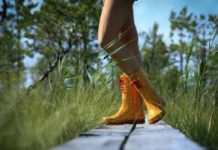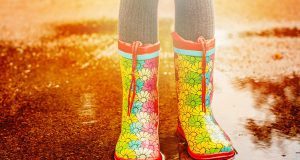
Hey, rain lovers! Ever slipped into a pair of rain boots only to wonder if they’re hugging your feet like a cozy sweater or flopping around like oversized clown shoes? The eternal question: should rain boots be tight or loose? It’s a dilemma that can turn a puddle-jumping adventure into a blister-fest or a slippery mess. But fear not—we’re here to splash through the details with a grin, sharing tips, laughs, and everything you need to know for that perfect fit. Imagine strutting through storms with dry, happy feet. Sounds great, right? Let’s dive in!
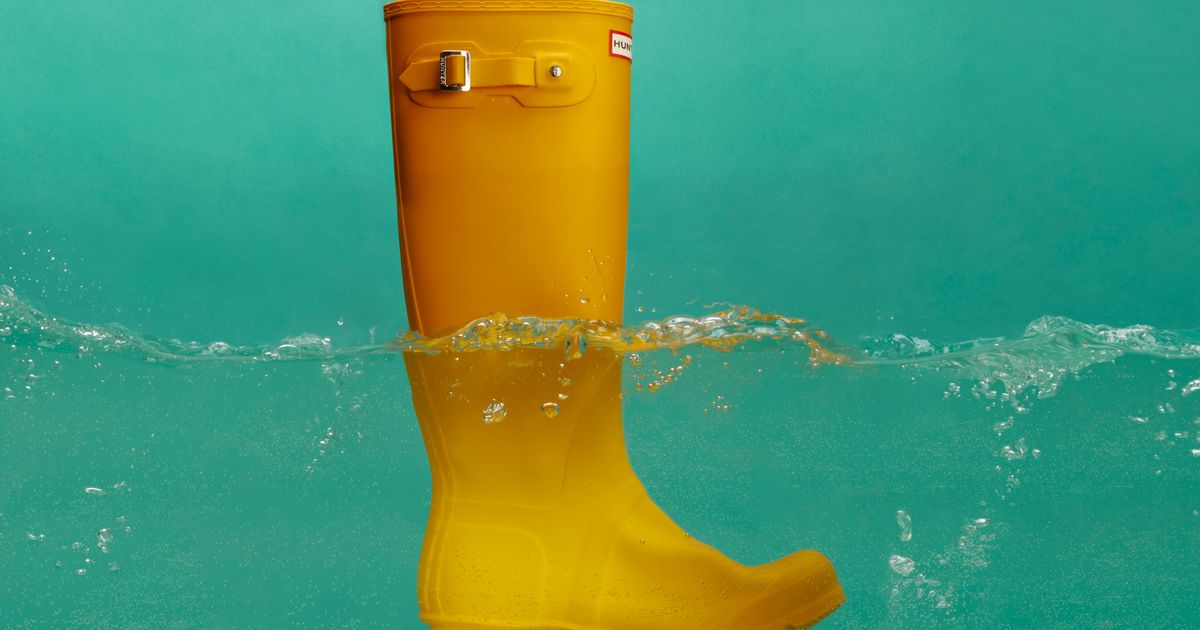
Rain boots aren’t just about keeping water out; they’re your ticket to fun in foul weather. But get the fit wrong, and you’re in for trouble. Too tight, and your toes protest. Too loose, and you’re sliding like on ice. We’ll explore the sweet spot, with stories from my own muddy mishaps. One time, I wore boots too loose at a festival—let’s just say I did an unplanned dance move!
Why the Fit of Your Rain Boots Really Matters
Fit isn’t just a detail; it’s the foundation of comfort and function. A good fit keeps your feet secure, prevents blisters, and ensures you can walk without wobbling. Think about it: Would you wear sneakers that pinch or sag? Same goes for rain boots.
In wet conditions, a poor fit can lead to slips or water sneaking in. Plus, rubber can stiffen in cold, changing how they feel. The goal? Balance security with room to breathe. For more on overall boot fitting, check out How Should Boots Fit?: Your Complete Fitting Guide.
The Great Debate: Should Rain Boots Be Tight or Loose?
Ah, the heart of the matter. Tight or loose? There’s no one-size-fits-all, but let’s break it down. Many experts lean toward a snug fit with some wiggle room—think Goldilocks: just right.
Pros and Cons of Tight Rain Boots
Tight boots offer great support, like a firm handshake. They keep your foot in place, ideal for active days.
- Better control and stability.
- Less chance of blisters from rubbing.
- Snug feel in cold weather.
But watch out: Too tight, and it’s like squeezing into skinny jeans after a big meal—uncomfortable and restrictive. Circulation issues or pain can spoil the fun.
Pros and Cons of Loose Rain Boots
Loose boots give breathing room, perfect for thick socks or easy on-off.
- Comfy for long wear.
- Room for layering in winter.
- Less pressure on feet.
Downside? Slipping heels or water entry if not sealed well. I once had loose boots that turned a walk into a comedy sketch—heel popping out every step!
The verdict? Aim for snug but not constricting. For sizing help, see Should Rain Boots Be One Size Bigger? Fun Tips for the Perfect Rain Boot Fit!.
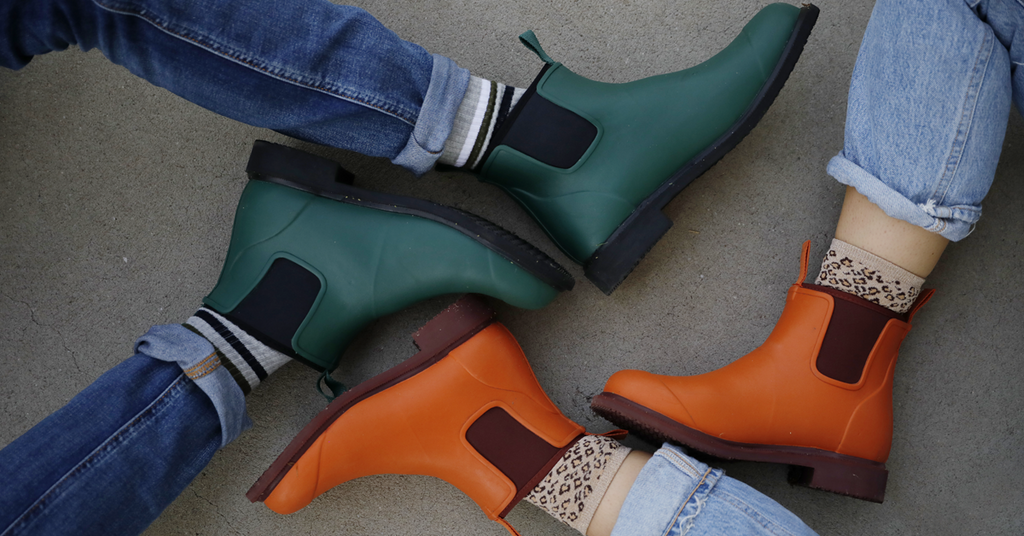
Key Factors That Influence Rain Boot Fit
Fit isn’t random; several things play a role. Let’s unpack them.
Your Foot Shape and Size
Wide feet? Narrow heels? Measure accurately. Feet swell during the day, so shop in the afternoon.
Calf Circumference Matters Big Time
Wide calves can make tall boots a no-go. Measure the widest part and choose adjustable styles.
If calves are an issue, stretching might help. Learn how in Can Rain Boots Be Stretched? Absolutely – And Here’s How!.
The Role of Socks and Layering
Thick socks tighten the fit. Test with what you’ll wear—wool for warmth, thin for summer.
Activity and Weather Considerations
Hiking? Snug for grip. Errands? A bit looser for comfort. Cold shrinks rubber, so factor that in.

For over-shoe wearing, read Do You Wear Rain Boots Over Shoes – Tips On Wearing Rain Boots.
Step-by-Step Guide to Finding the Perfect Rain Boot Fit
Ready to shop? Follow these steps for success.
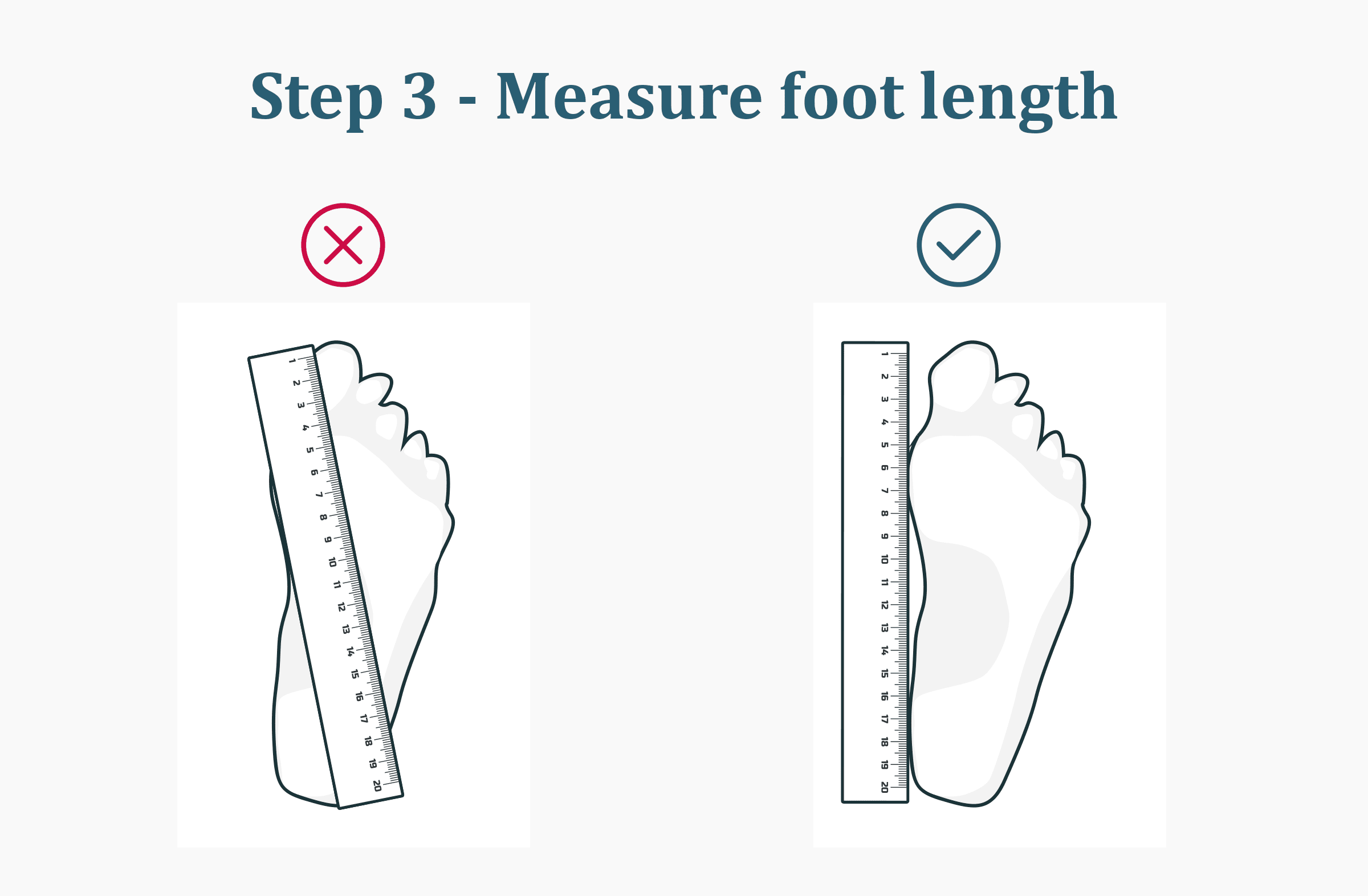
Step 1: Measure Your Feet Properly
Trace your foot on paper, measure length and width. Add half an inch for comfort.
Step 2: Check Calf and Height
Wrap tape around calf. Choose boot height based on use—tall for protection, short for ease.
Step 3: Try Them On with Socks
Wear your intended socks. Walk, jump, flex to test.
Step 4: Assess Heel and Toe Room
Heel should slip slightly at first, settle after break-in. Toes need wiggle space without banging.
- Flex at the ball of your foot.
- Check for pressure points.
- Consider insoles if needed.
For a detailed how-to, see How Rain Boots Should Fit Your – 5 Steps How To Guide.
Brand Spotlights: How Popular Brands Fit
Brands vary—know before you buy.
Hunter Rain Boots Fit Guide
Hunters often run big, especially calves. Size down if between. For more, check Do Hunter Rain Boots Run Big – Steps On Choosing The Perfect Hunter Rain Boots.
Other Brands Like Blundstone or Merry People
Blundstones are true-to-size but pull-on style needs room. See Best Blundstone Boots for 2022.

Adjusting Your Rain Boots for Better Fit
Not perfect? Tweak them!
Use insoles for snugness, or stretch for room. Home methods like freezing work wonders.
For leather alternatives, see Can You Wear Leather Boots In The Rain – Essential Things You Need To Know.
Common Fitting Mistakes and How to Avoid Them
Don’t fall into these traps.
- Buying without measuring—always do!
- Ignoring socks—test with them.
- Overlooking calf size—discomfort ahead.
- Assuming all brands fit the same—nope.
My mistake? Tight boots in cold—feet froze! For cleaning after mishaps, read How To Clean Rain Boots.

Styling Tips for Tight or Loose Rain Boots
Fit affects style too. Snug boots look sleek with skinny jeans. Loose? Pair with chunky socks for coziness.
Tuck pants in for tall boots, or cuff for ankle styles. Colors add fun—bold for gray days!
Caring for Your Rain Boots to Maintain Fit
Good care keeps fit true. Wipe clean, store upright away from heat.
- Use rubber conditioner.
- Avoid direct sun.
- Stuff with paper for shape.
For snow-ready boots, check Best Boots For Snow And Rain – Top Three Picks In 2018.
Where to Find Your Ideal Rain Boots
Shop smart for fits that wow.
Official sites: Hunter Boots. Deals on Rain Boots on Amazon. History at Wellington Boot on Wikipedia.
Try in-store for feel. For kids, see Best Rain Boots For Kids – Top Three Choices.
FAQs: Answering Your Rain Boot Fit Questions
Should rain boots be tight or loose? Snug with wiggle room—avoid extremes.
Do rain boots loosen over time? Slightly, as rubber breaks in.
Can tight boots cause problems? Yes, blisters or poor circulation.
How much toe room is ideal? Half to one inch.
What if my calves are wide? Choose wide-calf models or short boots.
Should I size up for socks? Yes, especially thick ones.
Are loose boots unsafe? Can be slippery—add inserts.
How to test fit at home? Walk on different surfaces.
Do brands run differently? Absolutely—check reviews.
Can I stretch loose boots? No, but tighten with layers.
Best for hiking? Snug for support.
How to measure calves? Widest part, flexed.
Kids’ rain boots fit? Same rules, prioritize growth room.
Waterproof vs resistant? For wet, go waterproof. See Water Resistant vs Waterproof Shoes: Which Is Better?.
Final tip? Comfort first—happy feet mean happy rains!
We’ve covered the ins and outs of rain boot fits. Whether tight, loose, or just right, the perfect pair awaits. Grab yours and embrace the puddles with a smile!